Understanding the Silhouette of Locust or Grasshopper Icon and Basic Purchase: A Guide to Vector Graphics
In today’s digital world, vector graphics play a vital role in design, branding, and creative projects. One such example is the Silhouette of Locust or Grasshopper icon, often offered as an EPS 10 100 vector file. This type of file is essential for designers who want flexibility, scalability, and professional results. In this article, we’ll explore what vector files are, how to work with them effectively, and why they matter in modern design.
What Is a Vector File?
A vector file is a digital image created using mathematical formulas that define points, lines, curves, and shapes. Unlike raster images (such as JPEGs or PNGs), which are made up of pixels, vector graphics use paths to create scalable and editable artwork. The most common vector file format is EPS, short for Encapsulated PostScript.
EPS files are widely used because they maintain quality at any size—whether you're designing a logo for a business card or a billboard. They also support layers, transparency, and text editing when properly set up by the designer.
The Silhouette of Locust or Grasshopper Icon: A Design Overview
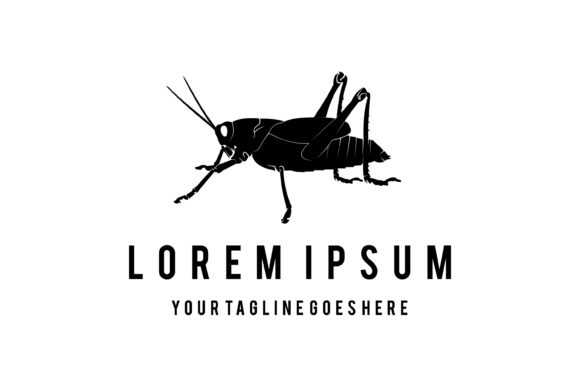
The Silhouette of Locust or Grasshopper icon is a stylized representation of these insects, typically used for visual identification in infographics, logos, illustrations, or educational materials. Since it's delivered in an EPS format, users have the ability to customize it extensively without losing clarity or detail.
This particular file comes labeled as EPS 10 100 vector, meaning it adheres to the EPS version 10 standard and includes 100 vectors. These vectors form the structure of the silhouette, making it easy to modify elements like shape, color, and layout within compatible software.
Why Use Adobe Illustrator for EPS Files?
Although some graphic design tools can open EPS files, Adobe Illustrator remains the gold standard due to its robust features and precise control over vector elements. When you download the silhouette of locust or grasshopper icon, you’re likely being advised to open it using Adobe Illustrator for the best experience.
Here’s why:
- Full Editability: You can adjust individual paths, colors, and gradients with ease.
- High Precision: Tools like the Pen Tool allow for fine-tuning of curves and shapes.
- Font Flexibility: If the design contains text, you may need to install specific fonts to edit them, as many templates include non-editable text layers.
- Compatibility: Illustrator ensures all elements remain intact when exporting to other formats like SVG, PDF, or PNG.
Opening the file in Adobe Illustrator gives you full access to the underlying vector data, allowing you to make changes that would be impossible in less advanced software.
How to Customize Your Vector Graphic
Once you've opened the EPS 10 100 vector file in Adobe Illustrator, you'll find a range of customization options available. Here are some of the key things you can do:
- Change Colors: Select any element of the silhouette and apply new colors using the Swatches panel or the Color Picker tool.
- Edit Curves and Paths: Use the Direct Selection Tool to manipulate anchor points and Bezier handles for perfect curve adjustments.
- Add or Remove Elements: Whether you want to enhance the design with additional details or simplify it, you can easily add or delete components.
- Resizing Without Quality Loss: Resize your graphic as needed without worrying about pixelation or blurriness.
- Positioning and Layer Management: Move elements around, group them, or arrange layers to build complex compositions.
These capabilities make vector files ideal for both personal and commercial use. From social media posts to print materials, the versatility of the silhouette of locust or grasshopper icon makes it a valuable asset for any project requiring adaptability and high-quality visuals.
Non-Editable Text: What It Means and How to Work Around It
If the template you’ve purchased includes text, you might notice that it's marked as non-editable. This means the text is embedded or converted into vector shapes, preventing direct typing or font changes. However, if you wish to use the same font style for custom text, you can usually do so by downloading and installing the font separately.
Fonts are crucial in design because they contribute to the overall look and feel of a piece. By installing the original font, you ensure that your custom text matches the aesthetic of the silhouette of locust or grasshopper icon, maintaining consistency across your design.
To install a font, simply download the font file (usually .OTF or .TTF), double-click it, and follow the on-screen instructions to add it to your system. Once installed, it will appear in your Adobe Illustrator font menu, ready for use.
Practical Applications of Vector Icons
Vector icons like the silhouette of locust or grasshopper are incredibly useful in various contexts:
- Business Branding: Create custom logos or promotional materials that scale perfectly for any platform.
- Education and Research: Use the insect silhouettes in biology lessons, environmental reports, or science presentations.
- Web and App Design: Incorporate the icon into user interfaces where responsiveness and clarity are essential.
- Creative Projects: Artists and illustrators can integrate the silhouette into larger compositions, posters, or greeting cards.
- Print Media: Print high-resolution banners, brochures, or signage without compromising quality.
Because of their adaptability, vector files are preferred in almost every industry that requires visual content. Understanding how to work with them opens up endless creative possibilities.
Common Misconceptions About Vector Files
Despite their popularity, many people still misunderstand what vector files are and how they should be used. Let’s clear up some of the most common misconceptions:
- Misconception 1: “All vector files are the same.”
Reality: There are different types of vector files (like SVG, AI, and EPS), each with unique strengths and limitations. EPS is especially good for print and compatibility across platforms.
- Misconception 2: “You don’t need design software to edit vector files.”
Reality: While basic viewers can display vector graphics, true editing requires specialized tools like Adobe Illustrator or Inkscape. Opening an EPS 10 100 vector file in a simple viewer won’t give you the ability to change colors or paths.
- Misconception 3: “Vector files are only for technical designs.”
Reality: Vectors are used in everything from logos and icons to animations and digital art. The silhouette of locust or grasshopper is a great example of how even abstract or natural subjects can benefit from vectorization.
By understanding the truth behind these myths, you can better appreciate the power and flexibility of vector graphics.
Choosing the Right Vector File Format
When purchasing or creating vector graphics, choosing the right format is essential. The EPS file is a safe bet for several reasons:
- It’s supported by most major design software.
- It preserves transparency and layered elements.
- It’s suitable for both screen and print output.
- It maintains quality regardless of scaling.
However, there are other vector formats worth knowing, such as SVG (Scalable Vector Graphics) for web use and AI (Adobe Illustrator native format) for exclusive use in Illustrator. Each has its own advantages, but for general use and compatibility, EPS remains one of the most versatile choices.
How to Get Started with Vector Editing
If you're new to working with vector graphics, here’s a quick guide to help you begin using the silhouette of locust or grasshopper icon effectively:
- Download and Install Adobe Illustrator: Make sure you have the latest version installed for optimal performance.
- Open the EPS File: Navigate to File > Open and select your downloaded vector file.
- Explore the Layers Panel: Look through the layers to see what elements are editable and which are locked or grouped.
- Use the Selection Tools: The Selection Tool (V) lets you move objects, while the Direct Selection Tool (A) allows for path editing.
- Modify Colors and Shapes: Experiment with different palettes or tweak the silhouette’s curves to fit your project’s needs.
- Export Your Final Design: Save your edited file in the desired format, whether for digital or print use.
With a bit of practice, even beginners can become comfortable working with vector graphics. And once you understand the basics, you’ll see just how powerful and flexible the EPS 10 100 vector file can be.
Best Practices for Working with Vector Files
Whether you're using the silhouette of locust or grasshopper icon or another vector graphic, following best practices ensures the highest quality results:
- Always Keep the Original File: Save a copy of the unedited EPS before making changes, just in case you need to go back.
- Group Related Elements: Organize your design by grouping similar parts together. This helps keep your workspace clean and manageable.
- Use Proper Naming Conventions: Name your layers and objects clearly to avoid confusion during edits.
- Backup Fonts and Resources: If the design relies on specific fonts, always include them in your project folder or note where they can be downloaded.
- Test Across Platforms: Export your final design in multiple formats and test it on different devices and mediums to ensure it looks consistent everywhere.
These habits not only improve your workflow but also help you deliver professional-grade results, no matter your level of experience.
Real-World Uses of Vector Graphics
Vector graphics are more than just a tool for designers—they’re part of everyday life. Consider these real-world applications:
- Logos: Companies use vector files to ensure their logos look sharp on websites, billboards, and merchandise.
- Infographics: Visual representations of data often rely on vector-based icons and charts for clarity and adaptability.
- Mobile Apps: Developers use SVG or AI files to create app icons and UI elements that respond well to different screen sizes.
- Product Packaging: Brands use vector graphics for labels, tags, and packaging that must be printed in high resolution.
- Environmental Education: Teachers and researchers use vector illustrations like the silhouette of locust or grasshopper to explain ecological concepts visually.
As technology continues to evolve, the demand for scalable and editable graphics grows. Being able to work with vector files gives you a competitive edge in both personal and professional settings.
Conclusion: Embrace the Power of Vector Graphics
Vector graphics like the Silhouette of Locust or Grasshopper icon offer unmatched flexibility and quality. With the right tools and knowledge, anyone can take advantage of the EPS 10 100 vector format to create stunning, adaptable designs. Whether you're redesigning a brand, preparing educational content, or simply expressing your creativity, understanding how to work with vector files is a valuable skill.
So next time you see an EPS file for sale or receive one as part of a purchase, remember that it’s more than just a graphic—it’s a foundation for limitless creativity. Just make sure to open it in Adobe Illustrator for the best experience, and don’t forget to check for downloadable fonts if you plan to edit any text!
Ready to start? Download your vector file today and unlock a world of design possibilities.